


Key Takeaways
- FINMA lets crypto firms join SROs in 2-4 months, speeding legal market entry.
- VQF, PolyReg, ARIF and SO-FIT tightened crypto standards across 2026.
- Swiss Federal Council proposed new crypto licenses, with reforms still ahead.
Switzerland Built a Faster Path Without Cutting Corners
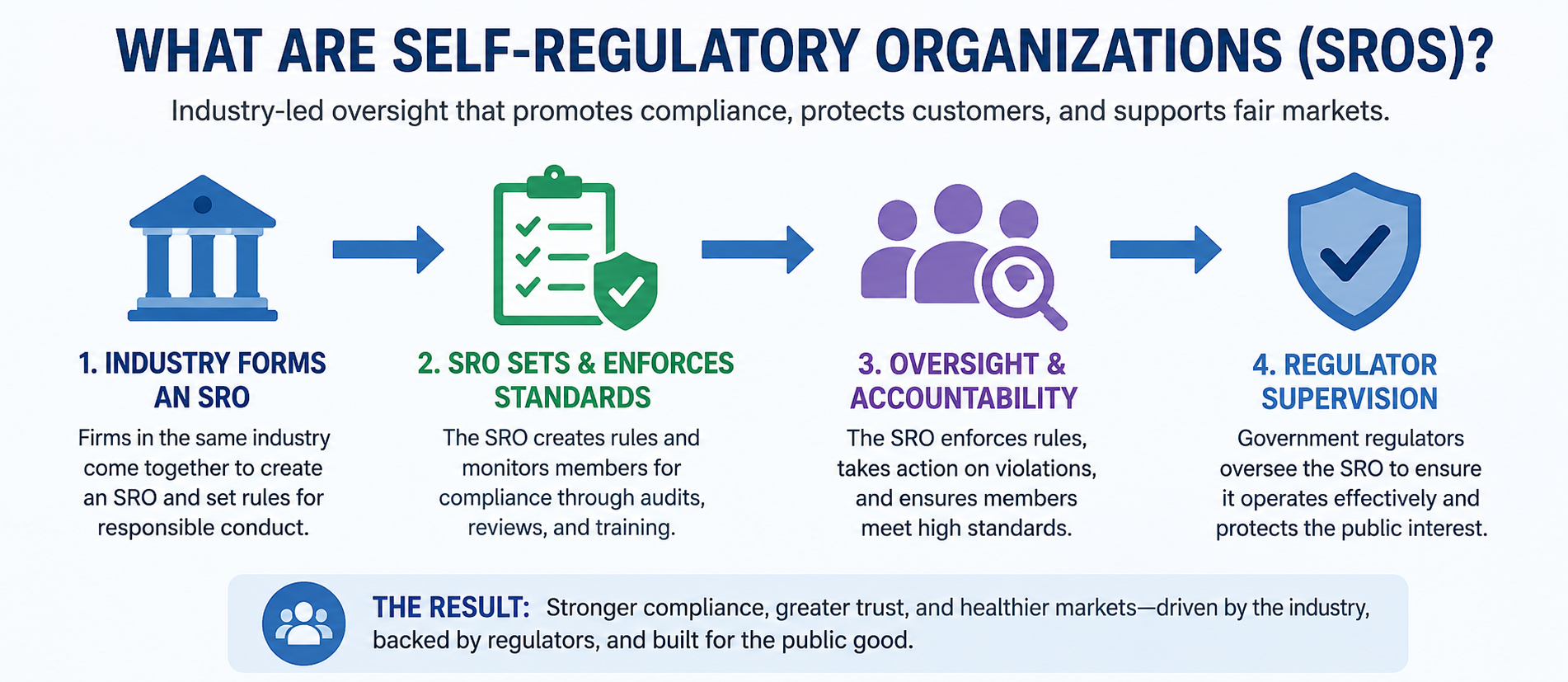
These watchdogs are called self-regulatory organizations, or SROs. Instead of throwing every financial business into the same regulatory bucket, Switzerland matches oversight to actual risk. Smaller crypto exchanges, brokers, and custodial wallet providers enter an SRO that tests anti-money laundering (AML) controls on FINMA’s behalf. That approach has consistently attracted serious digital-asset companies while filtering out firms that weren’t prepared for real compliance.
The framework drives nearly every crypto business entering Switzerland today. Regulators judge companies by what they actually do, whether exchanging tokens, safeguarding customer wallets or issuing payment tokens. Once those activities qualify as financial intermediation under the Anti-Money Laundering Act, there are only two paths: obtain a full FINMA license or join an SRO. That level of certainty remains rare almost anywhere else.
Four SROs oversee most crypto activity: VQF in Zug, PolyReg in Zurich, ARIF in Geneva and SO-FIT, also in Geneva. VQF has steadily become the preferred destination for digital-asset firms because its review process reflects years of fintech experience. Zug’s Crypto Valley earned its reputation through predictable regulation, not hype, giving companies confidence that the rules wouldn’t suddenly change.
Joining an SRO follows a process that moves far faster than licensing regimes elsewhere. Firms submit business plans, organizational charts, AML procedures and evidence that executives and compliance officers satisfy fit-and-proper standards. Reviews generally finish within two to four months. After approval, companies undergo independent audits, train employees and report suspicious activity to Switzerland’s Money Laundering Reporting Office, maintaining high standards without grinding operations to a halt.
FINMA doesn’t inspect every cryptocurrency and blockchain company itself because the framework was never designed that way. Instead, it supervises the SROs, reviewing each organization’s structure, size and risk exposure every year while adjusting oversight where weaknesses appear. If an SRO slips, FINMA steps in, creating an accountability system that has proven difficult for other jurisdictions to replicate.
Why Crypto Firms Keep Choosing Switzerland
This layered framework delivers its biggest advantage where businesses need it most: banking relationships. Many Swiss and international banks view SRO membership as a meaningful compliance signal and often require it before opening crypto accounts. That credibility wasn’t manufactured through branding. It was earned through a due diligence framework dating back to 1977 that has been repeatedly tested, tightened and refined, turning Switzerland into one of the world’s toughest jurisdictions for financial compliance.
Switzerland’s structure continues to outmaneuver competing jurisdictions. The European Union’s Markets in Crypto-Assets Regulation, or MiCA, forces crypto firms through broad capital, governance and conduct requirements before operations begin. Switzerland offers a leaner route. Businesses can launch with as little as 20,000 Swiss francs as a GmbH or 100,000 francs as an AG before adding SRO membership. That combination keeps drawing founders looking for speed without sacrificing legal certainty.
Regulators Keep Raising the Bar
Swiss crypto oversight hasn’t stood still. PolyReg, VQF, ARIF and SO-FIT jointly introduced tougher minimum supervisory standards for virtual asset service providers (VASPs) in early 2026, expanding expectations around transaction monitoring, blockchain analytics, and technology controls. That cooperation reflects an experienced regulatory system focused on closing vulnerabilities instead of competing through weaker oversight.
Switzerland is already planning the next evolution. In late 2025, the Federal Council opened consultations on new licensing categories under the Financial Institutions Act, one covering crypto custody and trading infrastructure, another targeting issuers of payment instruments such as stablecoins. The proposal reflects regulators preparing for a larger industry before today’s framework reaches its limits.
A Blueprint Other Countries Are Still Trying to Match
Switzerland’s supervised crypto sector has expanded without sacrificing compliance, and international AML reviews continue validating that approach. Sustainable growth backed by credible oversight wasn’t accidental. It was engineered through a framework that rewarded transparency while leaving little room for shortcuts, helping cement Switzerland’s standing as one of crypto’s most trusted jurisdictions.
The Federal Council’s proposed licensing framework will determine where the system goes next. Crypto firms operating under SRO membership should closely follow transition requirements as lawmakers finalize the rules. Until then, Switzerland’s SRO model remains what years of real-world execution have already proven: one of the fastest, most credible, and fully legal paths available for building a digital-asset business.
Hero/Feature image credit: Octavian Lazar