


Today in crypto, one of Ethereum’s most notorious MEV bots, Jaredfromsubway.eth, was exploited for more than $7.5 million in a sophisticated attack that was in the works for several weeks. Meanwhile, the Philippines’ securities regulator has signaled readiness to adopt real-world asset tokenization.
Notorious ‘sandwich attack’ bot Jaredfromsubway.eth exploited for $7.5M
One of the most successful MEV bots in crypto, Jaredfromsubway.eth, has been drained for more than $7.5 million, with an attacker exploiting the bot’s automated systems, the same ones that have netted it hundreds of millions over the years.
According to Blockaid, the incident on Saturday resulted from attacker-controlled contracts tricking Jaredfromsubway.eth’s automated MEV (maximal extractable value) execution system bot into granting token approvals that were later used to drain funds.
“This was a counter-MEV honeypot attack, as it specifically targeted the automated, trust-minimized decision-making logic that MEV bots utilize,” Blockaid chief technology officer Raz Niv told Cointelegraph.
It’s a rare setback for MEV bots like Jaredfromsubway.eth, which are automated programs that monitor unconfirmed transactions on blockchain networks and manipulate their order to extract profit, a kind of “invisible tax” on DeFi users.
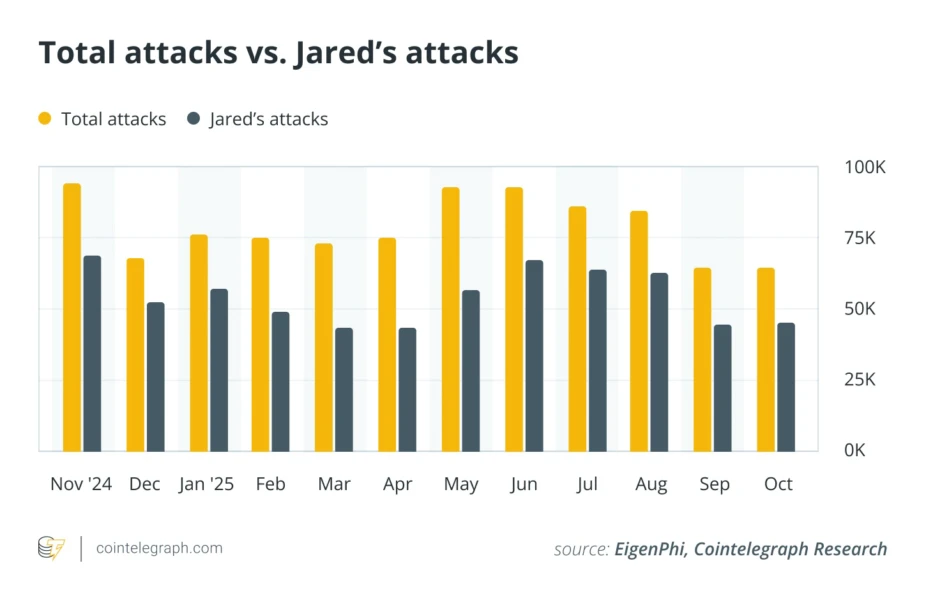
Cointelegraph Research previously found that sandwich attacks on Ethereum have resulted in about $60 million in annual losses for traders. The research also found that between November 2024 and October 2025, there were 60,000 to 90,000 sandwich attacks per month, with roughly 70% of them associated with Jaredfromsubway.eth.
Philippine SEC signals readiness for RWA tokenization
Speaking onstage at the Philippine Blockchain Week 2026, SEC Commissioner Rogelio Quevedo said the agency was “now fully convinced that we have the proper law [and] the proper regulatory mind and background” to accept asset tokenization. He said the technology could spur innovation in the capital markets and “revolutionize” stock exchanges.
In a follow-up interview with Cointelegraph, Quevedo said tokenized investment products could provide overseas Filipino workers (OFWs) with more legitimate investment options.
“Our OFWs, they have the capital. They do not know where to place their money. They do not know how to make their money earn,” he said, pointing to investment scams that have targeted Filipinos seeking returns,” Quevedo said.
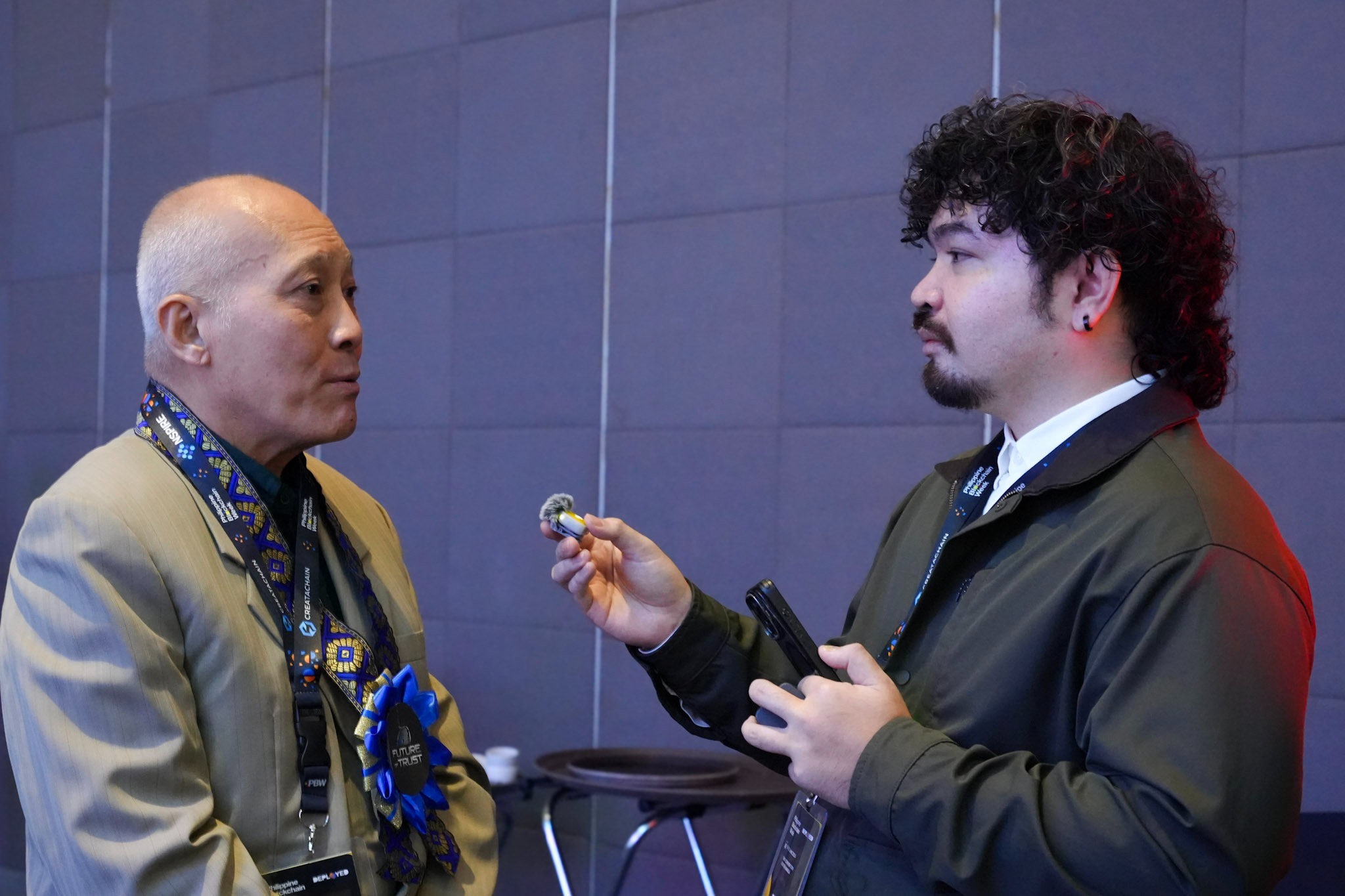
Philippine SEC Commissioner Rogelio Quevedo (left) and Cointelegraph’s Ezra Reguerra (right) at the Philippine Blockchain Week 2026. Photo: Cointelegraph
“We are also using artificial intelligence to go after these unscrupulous scams,” he added, stressing that the SEC was working with Google, TikTok and other online platforms to remove illegal investment offerings.
The remarks framed regulated tokenization as both a capital-markets innovation and a potential investor-protection tool in the Philippines, where authorities have taken action against unregistered investment platforms.