

With the rising need for support among families and loved ones, in-home health care services have become essential. A lot depends on caregivers to make you comfortable at home. They do more than just assist with activities of daily living. Their contributions span physical, emotional, and practical support.
Being aware of the different roles they carry out will aid families in making optimal decisions when it comes to the appropriate care solutions. Professional
in-home care services connect families with trained caregivers who understand these responsibilities and deliver personalized support. Here is a closer look at what caregivers do each day.
Defining In-Home Caregiver Responsibilities
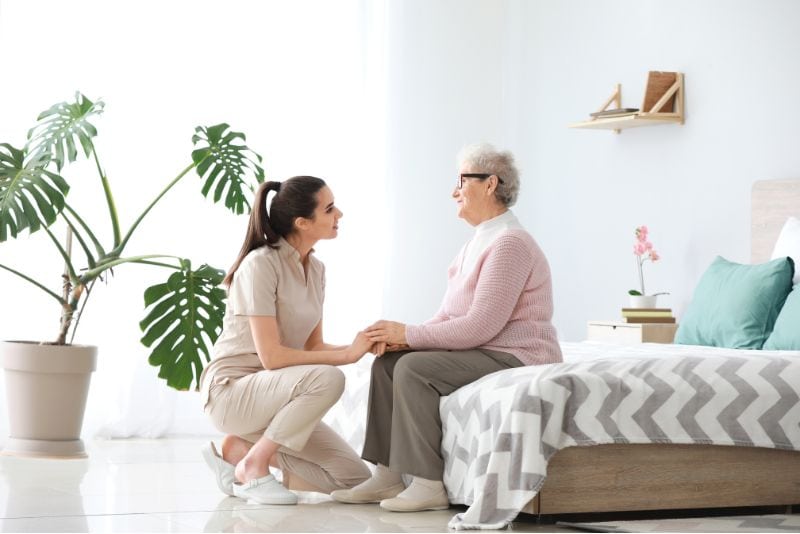
In-home settings, caregivers help with various daily tasks. These can be activities like providing assistance with personal hygiene, cooking or preparing meals, and taking medication. Caregivers assist with these routines, allowing individuals to stay in their home environment with continued independence. This, in turn, gives both those receiving care and their families peace of mind.
Emotional Support and Companionship
Caregiving involves more than just physical assistance. In addition, emotional support is also a huge part of the service. Caregivers accompany the individuals in their care, engage in conversations, and, above all, participate in activities with them. Also, this social interaction can help alleviate some of these feelings of loneliness or isolation, which are often seen in seniors and those with reduced mobility.
Managing Health and Safety
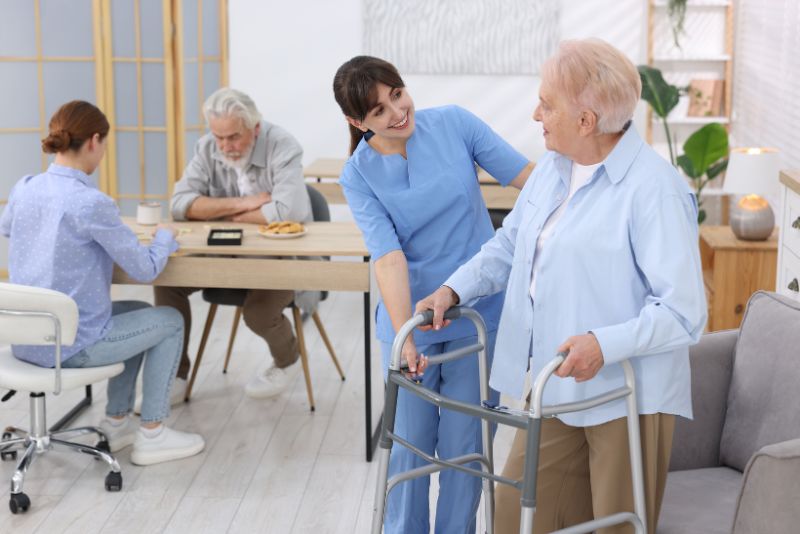
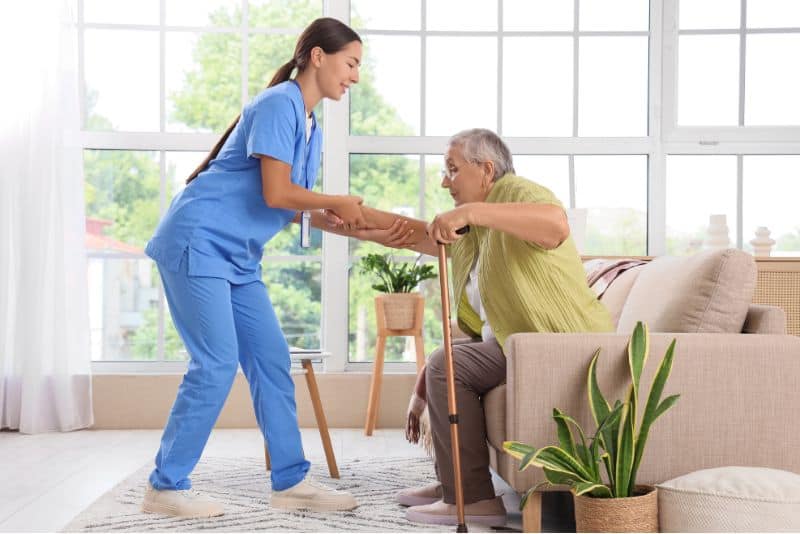
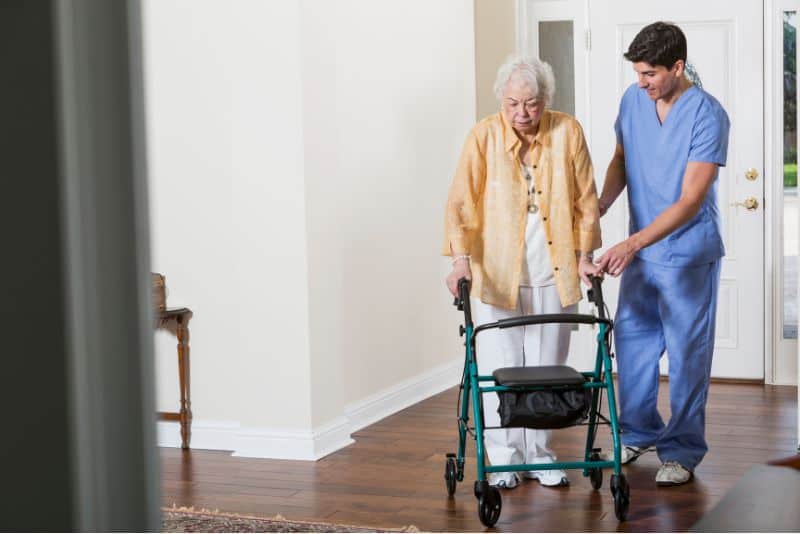
One of the most important components of home health care is health management. Caregivers keep a close watch for signs of change, both in physical and mental health, and communicate any concerns immediately. They might help remind care recipients to take their prescribed medications in a timely manner. They also monitor the surrounding home for safety hazards to minimize the risk of accidents or injury, especially in the case of those who are prone to falls.
Personal Care and Hygiene
Helping someone with hygiene is both a challenging and important job. With dignity and sensitivity, caregivers assist with bathing, getting dressed, and personal hygiene. It also maintains the dignity of people being cared for. This type of assistance provides comfort and helps prevent further health complications for individuals with physical limitations.
Meal Preparation and Nutrition
Healthy eating plays a big role in overall health. Caregivers also plan and prepare nutritious meals that meet specific dietary needs or restrictions. According to the Administration for Community Living, proper nutrition is fundamental to maintaining health and independence for older adults. They may also help with feeding, ensuring that the recipients of care are getting enough to eat. Focusing on food in this manner may result in enhanced vitality and health.
Household Tasks and Errands
In-home caregivers also may be responsible for light housekeeping. These can be laundry, cleaning up around the house, or tidying up the home. The other common type of trip is an errand trip, like grocery shopping or picking up a prescription. Caregivers remove these responsibilities, allowing care recipients to enjoy their days.
Communicating With Families and Healthcare Professionals
Frequent communication is a key aspect of providing good care. Caregivers keep families updated on daily happenings, condition changes, or anything that raises a concern. They might also work with doctors, nurses, or therapists to make sure all medical needs are met. This collaboration ensures care continuity and gives families peace of mind that their loved one receives round-the-clock support.
Adapting to Changing Needs
The need for care changes over time, and things are required to be flexible. Caregivers take note of these changes and adapt to them with care and skill. They adjust their routines depending on whether they need more assistance with mobility or more frequent reminders to take their medication. Such responsiveness can guarantee the comfort and safety of care recipients at all times.
Trust and Professionalism Come First
The relationship between a caregiver and care recipient is one that is built on trust. You need to possess professionalism, dependability, and respect. Families look to caregivers to keep their information private, treat their family members with dignity and respect, and maintain high expectations. This trust creates an atmosphere in which recipients of care feel respected and safe.
Conclusion
Revealing the breadth of caregiver tasks in in-home care helps families choose the appropriate types of support for their loved ones. Caregivers provide practical help, emotional presence, and health tracking, all in the home environment. They bring richness to the lives of those they look after, as well as providing peace of mind for families. The right caregiver will make sure your loved ones and you are safe, comfortable, and honored each and every day.
