



When Google announced the Fitbit Air, I assumed we were getting the usual wearable rollout. You know the drill: a clean launch, a few safe strap colors, maybe a couple of “premium” leather options that show up six months later at a markup. That’s basically the wearable playbook at this point.
But, you know what Google actually did? Instead of treating accessories as an afterthought, they’ve published full design guidelines. I’m talking about 2D CAD files and a proper certification pathway that actively invites third-party creators to build for the Fitbit Air. Not just compatible bands, but actual Fitbit Air accessories designed by anyone willing to work within the specs.
And that’s super interesting.
Because Google Fitbit Air customization is starting to look like a small, controlled ecosystem. It’s not fully open, nor is it fully DIY, but definitely more than the closed loop we’re used to in wearables. And that shift clues us into where Google is heading with hardware rather than just the product.
What Google Actually Released for Fitbit Air Accessories
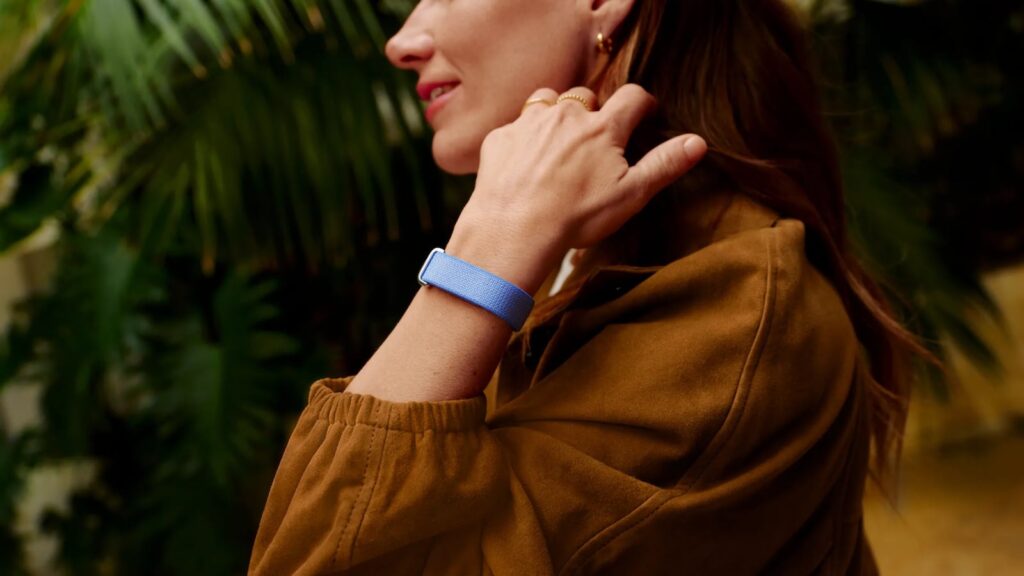
Google has made the Fitbit Air’s technical blueprints public — 2D CAD drawings with precise dimensions, attachment tolerances, and force specifications that would normally stay locked inside an OEM engineering team. It’s not open-source, but it is unusually open.
In theory, you could pair that with a 3D printer and design software, and have everything you need to start building compatible Fitbit Air accessories yourself. Alongside that, Google is also rolling out a “Made for Fitbit Air” certification program for brands that want official compatibility branding — and, crucially, early access to future hardware specs before launch.
The Fitbit Air Sensor Module Makes This Possible
The reason this works at all comes down to hardware architecture. Most smartwatches are monolithic — sensors, battery, and chassis deeply integrated, so band swaps are purely cosmetic. The Fitbit Air sensor module is different: a compact health-sensing core that snaps into whatever band or enclosure surrounds it. The band is the primary form factor; the sensor rides along inside it. That separation of health performance from personal style is what unlocks real customization.
The Long-Tail Opportunity for Fitbit Air Bands
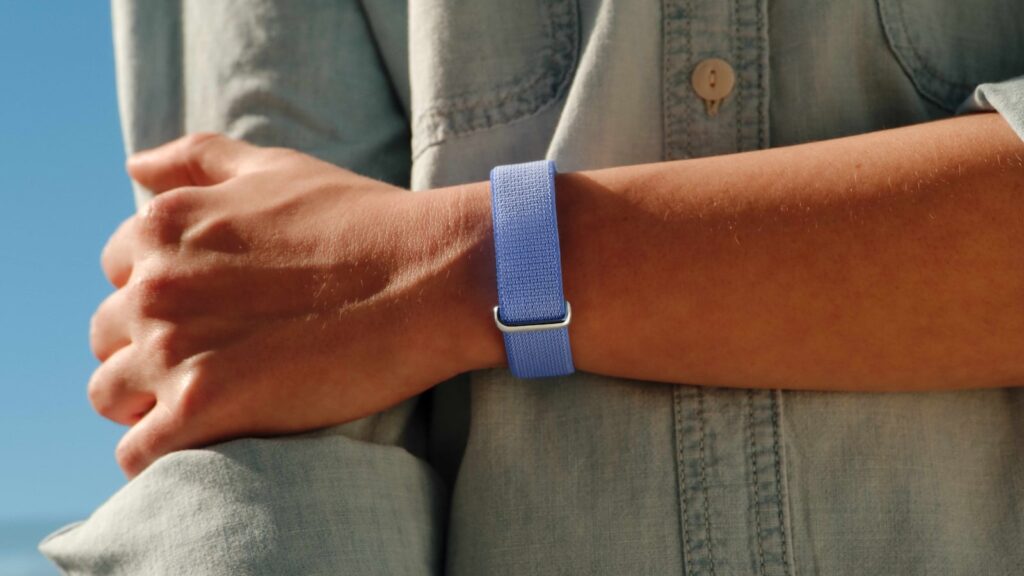
Here’s where it gets interesting. Google can’t serve every aesthetic preference and use case — but an open third-party ecosystem can. With official CAD specs available, the range of possible Fitbit Air bands extends well beyond what Google would manufacture: minimalist titanium options for runners, woven textile straps for the athleisure crowd, fashion collabs too niche for a company of Google’s scale.
This is exactly the kind of long-tail variety that’s made other open platforms thrive. As someone who goes from a 6am gym session straight into meetings, the idea of bands purpose-built for each context is genuinely appealing.
Google’s Rules Haven’t Changed on Health Accuracy
None of this means anything-goes. The Fitbit Air’s optical sensors for heart rate and SpO2 require precise skin contact — and Google’s documentation makes the constraints explicit. Accessories must keep the sensor unobstructed, maintain correct contact pressure during movement, and use skin-safe materials (no problematic nickel alloys, no uncured adhesives).
A band that looks incredible but sits 2mm off the wrist produces inaccurate health data, which is worse than useless. The creative freedom here exists within a tightly defined technical envelope, and that’s the right call for a health device.
Why This Is Bigger Than One Wearable
The most successful consumer tech platforms — Android, Shopify, the App Store — succeeded by letting thousands of third parties build on a shared foundation. Hardware has mostly resisted that model. What Google is attempting is a platformization of a physical device, extending the open wearable platform logic beyond software (watch faces, apps) into the physical layer too. Apple dominates the smartwatch accessory market — estimated in the billions annually — but operates almost entirely on its own terms, with no formal co-creation path for accessory makers.
Google is betting on structured openness as a differentiator. It might not work — fragmentation is a real risk, and quality inconsistency outside the certified ecosystem could muddy the health-tracking story. But if Google Fitbit Air customization delivers on its promise, it won’t just be a win for Fitbit Air owners. It’ll be a proof of concept the whole wearable industry will have to reckon with. See what else is pushing wearables forward at Gadget Flow.
Lauren has been writing and editing since 2008. She loves working with text and helping writers find their voice. When she’s not typing away at her computer, she cooks and travels with her husband and two kids.