

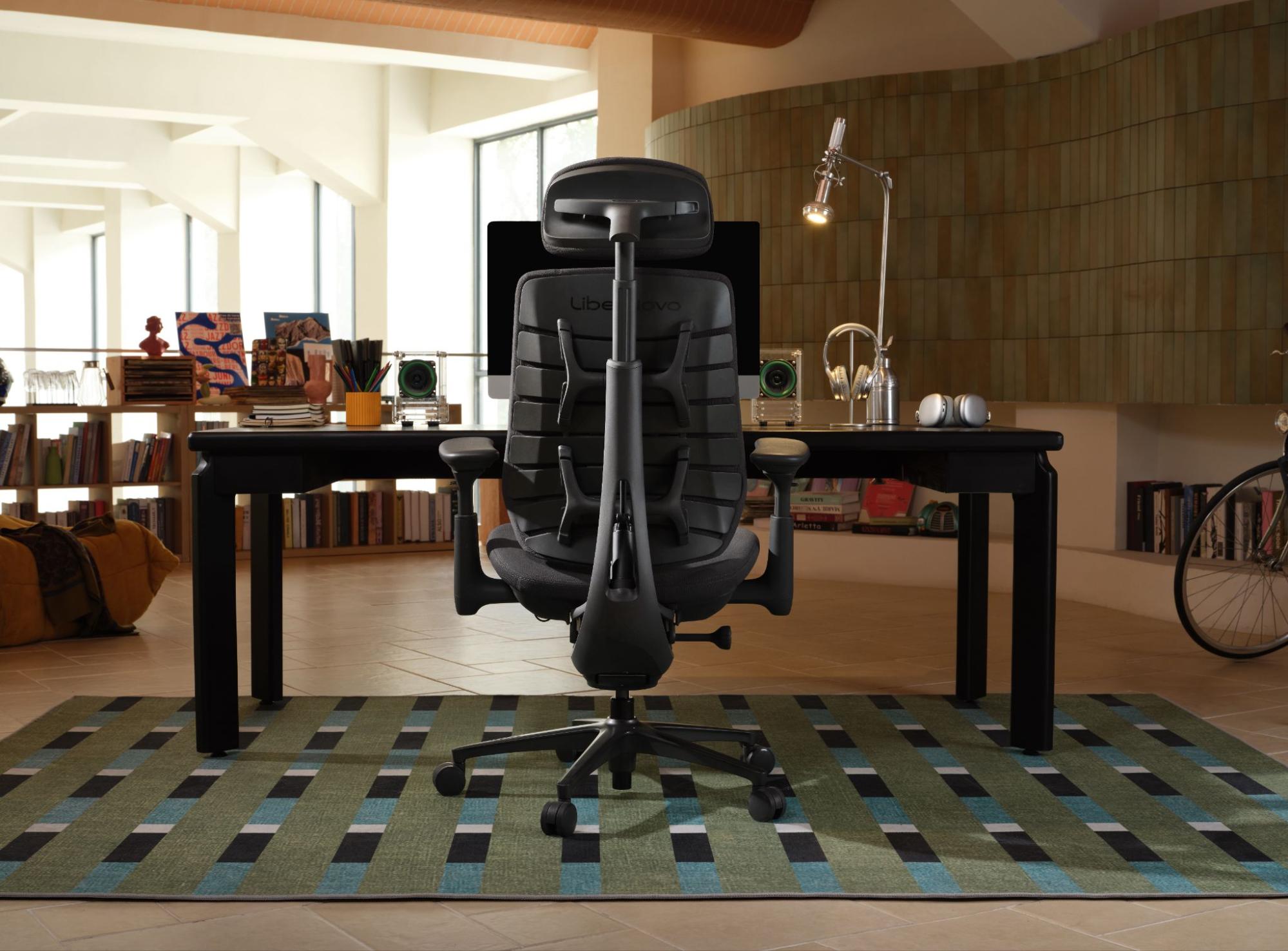

I’ve now written about the LiberNovo Maxis twice. Once at launch, once digging into the engineering behind it. So I’ll spare you a third round of “Here’s why a 52 cm seat pan matters”—if you want that version, it’s already sitting in our archives.
What I haven’t covered yet is the clock.
The early bird pricing that’s been attached to Maxis since launch is closing out. Seven days left, and then it’s gone—not discounted-a-little-less gone, just gone, back to whatever LiberNovo decides is the standard price once the countdown hits zero. If you’ve been sitting on this one (pun intended), this is the week to stop sitting on it.
Quick recap, for anyone who missed the first two rounds
Maxis exists because LiberNovo noticed something the rest of the ergonomic chair industry has quietly ignored: chairs are built around average body dimensions, and a lot of people aren’t average. Taller users, bigger-framed users — the ones who’ve spent years being told a chair is “ergonomic” while their thighs hang off the seat edge and the backrest tops out somewhere around their shoulder blades.
Maxis is the fix. Not a relabeled version of LiberNovo’s existing Omni chair, but a frame rebuilt from the ground up:
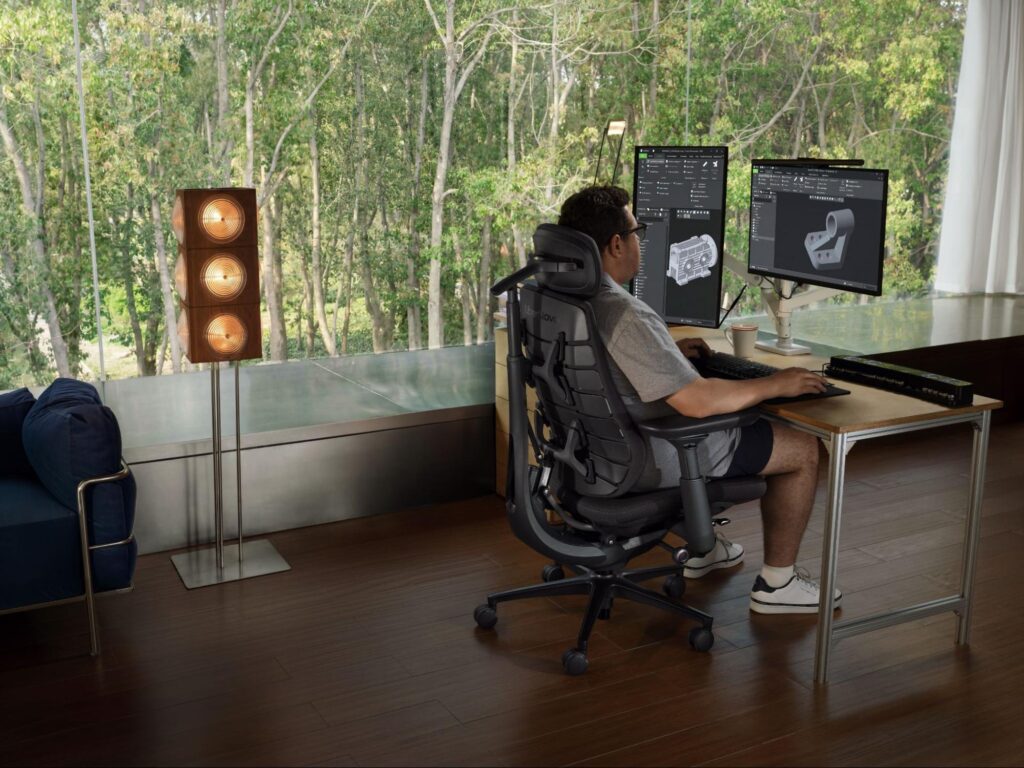
A 52 cm seat pan, deep enough to support the full thigh instead of cutting off at the knee. A Bionic FlexFit backrest sized for users 5’10” to 6’7″, running 16.9 inches across the shoulders and 20.5 inches at the waist—wide enough to actually stay in contact with a larger back instead of approximating it. A BIFMA-certified frame rated to 399 lbs, independently tested rather than just printed on a spec sheet. And the Dynamic Support System—the part I found most interesting when I first reported on this—recalibrates specifically for higher body mass, because a responsive recline system tuned for a 160 lb frame behaves completely differently under 350.
Add the Arc-style armrests that avoid waist compression on wider frames; the extended-reach headrest with real vertical and horizontal travel; and a five-stage Controlled Recline System running 105° to 160° that holds its position under load instead of feeling uncertain about it, and you get a chair where, as I said the first time around, every spec traces back to an actual problem instead of a marketing bullet point.
The three versions, if you’re still deciding
The Maxis Manual starts at $809—manual lumbar adjustment, the simplest of the three and still the same reinforced frame underneath.
The Maxis Electric starts at $1,049—motorized lumbar support plus motorized lumbar stretch, worth the jump if you’re logging real desk hours.
Maxis Airflow starts at $1,239—it adds active seat ventilation through a centrifugal fan system, which matters more than it sounds like once you’ve sat through a July afternoon in a home office with no airflow.
All three share the same seat depth, the same backrest dimensions, and the same weight rating. The difference is how much the chair does for you versus how much you do for it.
If Maxis isn’t actually the size you need
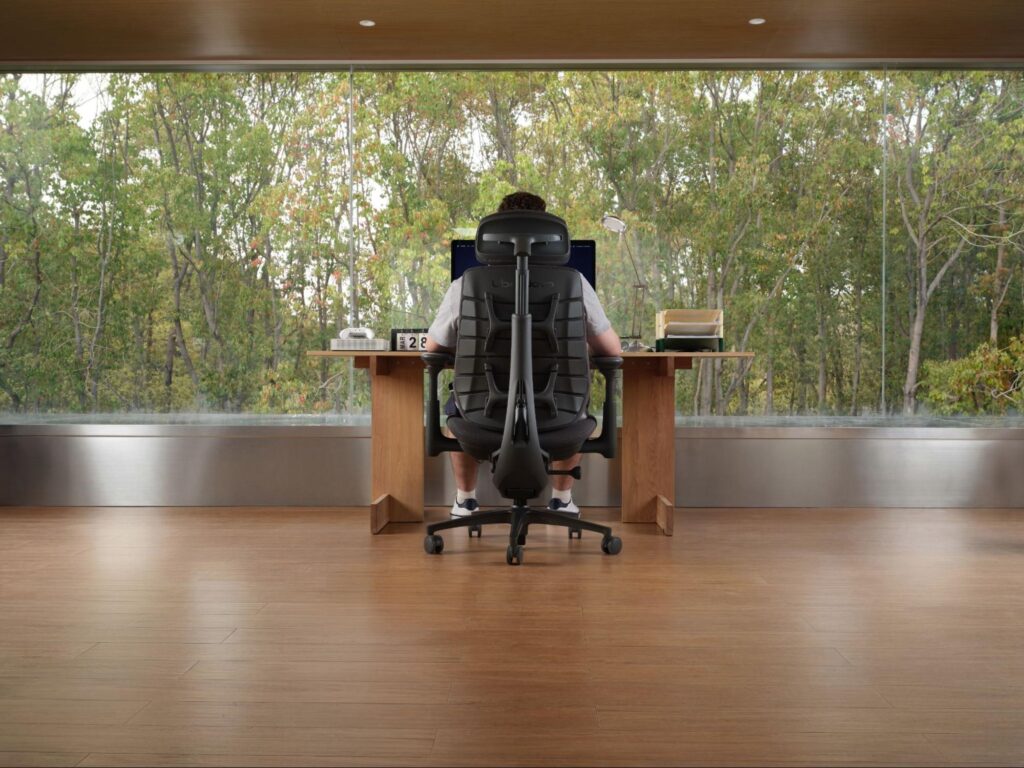
Here’s something worth flagging, because I’ve gotten questions on this since the first article ran: Maxis is not the right chair for everyone. It’s built specifically for taller and larger-framed users—5’10” to 6’7″, up to 399 lbs. If you’re outside that range, the seat depth that makes Maxis so good for a bigger body will just feel oversized on a smaller one.
That’s what the rest of the lineup is for, and it’s worth knowing that the same early bird pricing window covers these two as well.
The LiberNovo Omni SE starts at $569 and is the more universal fit—5’0″ to 6’1″, up to 300 lbs. It runs the same Bionic FlexFit backrest and dynamic support architecture as the Maxis (LiberNovo calls it SyncroLink here—four linked mechanisms and more than sixty pivot points keeping the headrest, backrest, armrests, and seat moving together as you shift), just scaled to a standard frame instead of a reinforced one and with manual rather than motorized lumbar. It’s the entry point into the dynamic ergonomics idea without the Maxis price tag or the Maxis size.
The LiberNovo Omni Pro starts at $909 and sits a step up from the SE on the same standard frame. Motorized lumbar support, motorized lumbar stretch, and the same active airflow seat ventilation as Maxis Airflow—plus a few refinements LiberNovo made after the original Omni shipped: revised backrest pivots that stop the hip-pushing feeling at deep recline angles, a thicker front-edge cushion, and Gabriel Atlantic fabric from Denmark, rated for roughly 110,000 rubs of abrasion resistance, which in practical terms means it’s not the part of the chair you’ll be replacing first. The built-in 3,000mAh battery runs the airflow fan up to 36 hours on low and holds a charge for weeks under normal lumbar-motor use.
Between the three, the decision really comes down to your body and how much you want the chair to do without you asking it to: SE if you fit the standard range and want dynamic support at the lowest price, Pro if you want the motorized features and cooling without needing the bigger frame, Maxis if the standard frame has never actually fit you in the first place.
Why the countdown actually matters here
I don’t usually get worked up about “limited time” pricing—most of it isn’t actually limited; it just resets under a different name next quarter. But this one’s tied to a real launch window, and once it closes, the early bird pricing goes with it. If you’ve read either of my previous pieces on Maxis and have been meaning to pull the trigger, the math changes after this week. Not in a “the sky is falling” way—just in the plain, unglamorous way that discounts work. Later means more expensive.
If you’re in the market for a chair built for a body that standard ergonomic seating has never really fit, this is the week to make the call. Order details and current pricing are up at libernovo.com.
Madhurima Nag is the Head of Content at Gadget Flow. She side-hustles as a parenting and STEM influencer and loves to voice her opinion on product marketing, innovation and gadgets (of course!) in general.