

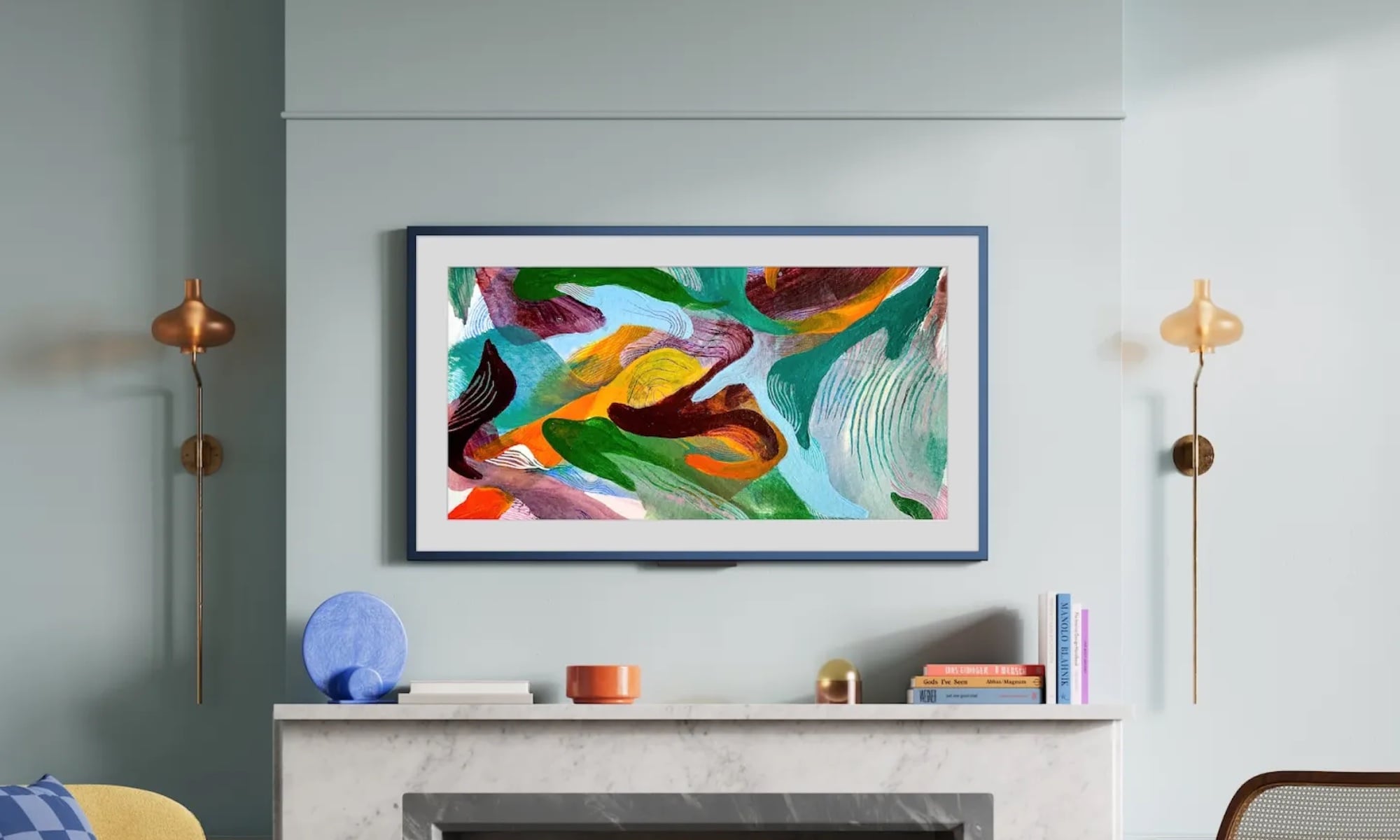

I used to think buying a TV was simple: pick the best picture quality you can afford and call it a day. But then TVs got… aesthetic. Now I’m staring at two completely different appliances: a sleek, performance-first screen that looks amazing when it’s on, or a design-forward TV that actually looks good when it’s off. Art TV vs regular TV, which one fits your home in 2026?
These days, that’s a valid question. Because a TV isn’t just a gadget anymore—it’s usually the biggest object in your living room. And whether you realize it or not, it shapes your space 24/7.
And Amazon’s recent launch of its affordable Ember Artline TV just gave us one more “frame” option to consider. If you’re torn between an art TV and a traditional TV, here’s how I’d think about it:
Art TV vs regular TV: what’s the real difference?
Here’s the part people might not realize right away: art TVs and regular TVs are optimized for totally different things—and that creates real compromises.
For starters, art TVs are designed to look like art first. That’s why they use matte, anti-reflective screens that scatter light instead of reflecting it. That’s also why artwork actually looks convincing—even in bright rooms. Matte coatings dramatically reduce glare and reflections, which is what makes the illusion work.
But that technology comes with trade-offs (nothing’s perfect, ha!):
- Lower contrast
- Slightly flatter blacks
- Less “pop” in darker scenes
In other words, the tech that makes art look better can also make movies appear less cinematic.
Regular TVs do the opposite.
They use glossy panels and advanced backlighting (OLED, Mini-LED, etc.) to maximize:
- Brightness
- Contrast
- Color depth
That’s why movies and games look incredible—but also why your screen turns into a mirror during the day. And even if you enable “art mode” on a regular TV, it’s not the same. Without a matte finish, reflections break the illusion immediately. So yeah—an art TV can’t be a cinematic TV. Blame physics.
👉 You’re choosing between a screen that looks better when it’s off vs one that looks better when it’s on.
When an art TV makes more sense for your home
If your living room doubles as a design space, an art TV just makes more sense. This is especially true if your TV is front-and-center—like above a console or fireplace—where it’s impossible to ignore.
Personally, I’d go art TV if:
- I care about my space looking cohesive and intentional
- I hate the “giant black rectangle” effect
- My TV is visible even when I’m not watching it
- I watch casually (Netflix, YouTube, background TV—not hardcore cinema nights)
An art TV is a great decision for anyone who focuses on how their home looks aesthetically, not on how immersive sports or Friday movie nights are. An art TV removes the black rectangle from your wall and replaces it with beautiful art.
The trade I’m accepting here:
You prioritize how your home looks all day, not just when you’re watching something.
Best Art TVs for design-focused living rooms

Samsung 65-inch Class The Frame LS03F (2025)
The Samsung The Frame LS03F 65-inch is the kind of TV I’d go for if I really cared about how my space looks, even when nothing is playing. When it’s off, it doesn’t sit there like a black screen—it genuinely looks like framed artwork on the wall. The matte display is a big part of that effect because it cuts reflections so well that paintings and photos actually feel closer to real prints than digital images. I’d choose this if my TV is in a bright, central space where it’s always visible.

Amazon Ember Artline
The Amazon Ember Artline is what I’d choose if I want my TV to feel part of my home’s design schema—affordably. For just $899.99 in the 55″ size, it turns into a rotating art display with thousands of included pieces. The matte screen makes everything look like it belongs on a wall. I also like how much of it is driven by software. I can use AI to match artwork to my room, display personal photos in a clean gallery style, and even control everything with Alexa without thinking about it. When I do switch to streaming, everything’s fast and familiar thanks to Fire TV.
Samsung The Frame Pro
The Samsung The Frame Pro is the version I’d pick if I love the Art TV idea but still care a lot about performance. It keeps that same frame-like, matte design that makes artwork look believable on the wall, but upgrades the picture quality with mini-LED backlighting. That makes a noticeable difference when I switch to actual movies or shows—everything feels more dynamic, with better contrast and more depth. For me, this is the middle ground. I still get the aesthetic benefits of an Art TV, but I don’t feel like I’m giving up too much on the viewing experience.
When a regular TV is the better choice
If I actually care about what I’m watching—like really care—this is where I’d go traditional. Because performance still wins here, there’s no debate about that.
I’d choose a regular TV if:
- I watch movies in the dark and want that cinematic feel
- I care about deep blacks and high contrast
- I game and want smooth motion + low latency
- I want the best value for performance
There’s also just more flexibility. You can get better specs for less money because you’re not paying for the “lifestyle” layer. And let’s be real—if your TV is in a media room or off to the side, the whole “it needs to look like art” thing matters way less.
The trade I’m accepting here:
You’re okay with your TV looking like… a TV.
Best TVs for picture quality, gaming, and value
Samsung S90F AI Smart TV (2025)
The Samsung OLED S90F 65-inch is the kind of TV I’d pick when I want everything—movies, sports, and gaming—to look instantly elevated without thinking too hard about settings. The OLED panel is doing the heavy lifting here with perfect blacks and individually lit pixels. Dark movie scenes feel way more cinematic than standard LED TVs. Combined with Pantone-validated color, everything just feels more natural and less processed. Where it really wins for me is motion. With a 144Hz refresh rate and AI motion enhancement, fast-paced sports and gaming feel incredibly smooth with almost no blur or lag. I’d put this in a living room where I actually watch things.
Hisense U8 Mini-LED ULED
The Hisense U8 65-inch Mini-LED ULED is the TV I’d go for if I watched a lot of sports or play games. The Mini-LED Pro backlighting is insane for contrast control, with thousands of local dimming zones that make stadium lights pop while still keeping shadows deep and detailed. It basically makes fast action feel sharper and more defined, even during chaotic scenes. For gaming, the native high refresh rate with VRR and low latency support means I’m not dealing with lag or screen tearing. I also like that it’s tuned for realism with AI picture optimization. Yep, whether I’m watching football, a blockbuster, or playing a competitive game, it adjusts to keep things looking sharp and immersive.

TCL QM6K LED QLED
The TCL QM6K is the TV for people who want premium motion and contrast without the flagship price. It uses Mini-LED plus Quantum Dot color, which gives it that bright, punchy look that really stands out during sports and gaming. Fast motion is where it surprises me most—games and live sports stay smooth and readable even during intense scenes. What I like here is how balanced it feels. It supports modern HDR formats like Dolby Vision and delivers strong contrast control through its halo management system. I’d put this in a setup where gaming, streaming, and sports are all equally important, but budget is a consideration.
Art TV vs regular TV: which one should you choose?
Here’s the cleanest way I can put it:
👉 If your TV is part of your home’s design, go with an art TV.
👉 If your TV is about performance and viewing experience, go with a regular TV.
More specifically:
- If you care about home design, minimalism, and a clutter-free space → art TV (like the Amazon Ember Artline)
- If you prioritize picture quality, gaming, or cinematic viewing → Regular TV
That’s really it.
If your TV sits front and center in your living room and you’ve put effort into making your home feel cozy, styled, or intentional, something like The Frame just makes more sense. It blends in, it adds to the vibe, and you won’t feel like you’re decorating around a screen.
But if your priority is movie nights, gaming, or just getting the best picture for your money, a regular TV is still the better move—and you’ll probably notice that upgrade way more.
Lauren has been writing and editing since 2008. She loves working with text and helping writers find their voice. When she’s not typing away at her computer, she cooks and travels with her husband and two kids.